A Non-Toxic Approach to Infection Control: Safeguarding Patients and Staff

Introduction: Rethinking Infection Control
In healthcare and high-risk commercial environments, infection control is critical. Hospitals, clinics, and laboratories are constantly exposed to bacteria, viruses, and fungi that can compromise the safety of patients and staff.
While traditional disinfectants are effective, many contain harsh chemicals that may pose risks to humans and the environment. Today, the shift is toward non-toxic, hospital-grade disinfection — cleaning solutions that eliminate pathogens without harmful residues. Miracle Everyday’s L42 embodies this approach, providing safe, effective, and sustainable infection control.
The Risks of Toxic Disinfectants
Using harsh chemical disinfectants can lead to:
Health Hazards: Skin irritation, respiratory issues, or accidental ingestion risks for staff and patients.
Environmental Impact: Chemicals entering wastewater can harm ecosystems.
Surface Damage: Corrosion or degradation of medical equipment and surfaces.
Incomplete Compliance: Some facilities may reduce usage to avoid risks, leading to ineffective disinfection.
These challenges underscore the need for safe, non-toxic alternatives that do not compromise efficacy.
L42: Safe, Effective, Non-Toxic
L42 is a hospital-grade disinfectant that balances pathogen elimination with safety, making it suitable for daily use in sensitive environments.
Key Features:
Broad-Spectrum Pathogen Control: Kills bacteria, viruses, fungi, and spores.
Zero Residue: Leaves no harmful chemical traces on surfaces or equipment.
Safe for Humans and Animals: Non-toxic formulation protects staff, patients, and visitors.
Sustainable: Biodegradable and environmentally friendly.
Versatile Applications: Ideal for hospitals, clinics, labs, and commercial spaces requiring rigorous hygiene.
With L42, facilities can maintain a high level of infection control without compromising health or safety.
Best Practices for Non-Toxic Infection Control
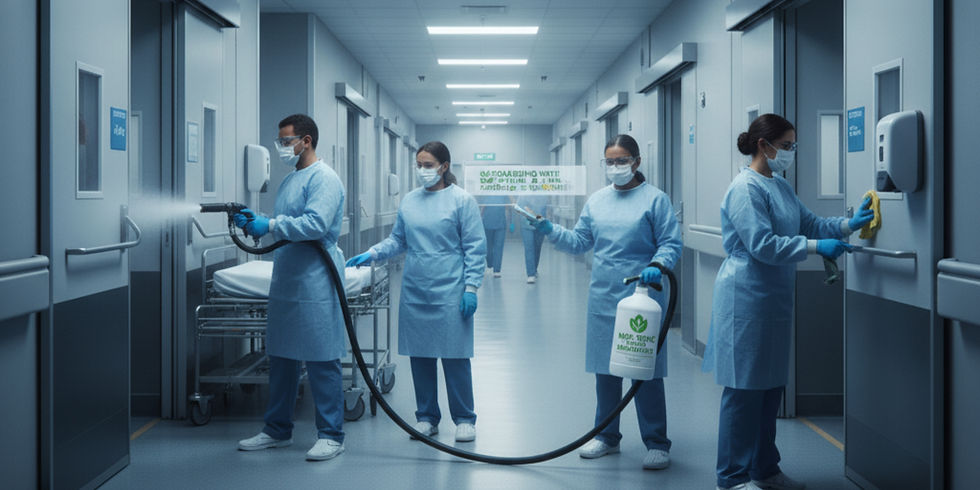
Routine Surface Disinfection: Apply L42 daily on high-touch areas such as door handles, bed rails, and equipment.
Air and Equipment Safety: Use in areas prone to airborne or surface contamination.
Staff Training: Educate personnel on proper usage, coverage, and safety protocols.
Combine with Hand Hygiene: Non-toxic surface disinfection complements hand sanitizers and gloves.
Emergency Protocols: Maintain L42 for outbreak situations to ensure rapid, safe pathogen control.
Benefits of a Non-Toxic Approach
Patient Safety: Reduces hospital-acquired infections without exposing patients to harsh chemicals.
Staff Protection: Safeguards healthcare workers and cleaning personnel from chemical hazards.
Regulatory Compliance: Meets stringent hygiene standards while remaining eco-friendly.
Operational Efficiency: Safe daily use allows frequent disinfection without downtime or damage.
Environmental Responsibility: Reduces chemical runoff and supports sustainable sanitation.
Conclusion: Safety Without Compromise
Effective infection control doesn’t have to come at the cost of human health or environmental safety. By adopting non-toxic solutions like L42, healthcare facilities can safeguard both patients and staff while ensuring comprehensive pathogen elimination.
In modern infection control, safety, efficacy, and sustainability go hand in hand — and L42 exemplifies this new standard.


Comments