Botanical Fumigation as a Safer Alternative to Gas-Based Systems


Fumigation has long been an essential part of storage hygiene in warehouses, cold storages, packhouses, and grain facilities. It helps control microbial contamination, pests, and airborne pathogens that threaten stored products.
Traditionally, many facilities have relied on gas-based fumigation systems. While these methods can be effective, they also introduce significant operational and safety concerns.
As storage environments become more regulated and safety-focused, the industry is gradually shifting toward safer alternatives — including botanical fumigation.
The Limitations of Conventional Gas-Based Fumigation
Gas fumigation systems often rely on strong chemical compounds designed to eliminate pests and microbes rapidly. However, these systems come with several challenges.
Facilities using gas fumigation frequently face:
Toxic exposure risks for workers
Mandatory evacuation during treatment
Residual chemical concerns
Equipment corrosion over time
Strict handling and regulatory requirements
In many cases, fumigation becomes an occasional emergency response rather than a routine hygiene practice
The Need for Safer Fumigation Methods
Modern storage environments require hygiene systems that are both effective and operationally safe. Warehouses and cold storages now handle sensitive goods such as fresh produce, packaged food, and export commodities.
In such environments, fumigation solutions must:
Control airborne microbial contamination
Be safe for workers and surroundings
Avoid toxic residues
Allow regular preventive use
Support food safety standards
This has led to growing interest in plant-derived fumigation technologies
How Botanical Fumigation Supports Storage Hygiene
When applied correctly, botanical fumigation helps control:
Airborne microbial particles
Surface contamination in enclosed spaces
Mold spore presence
Environmental pathogen load
By targeting both air and surrounding surfaces, it contributes to a more stable storage ecosystem.
Because these formulations are plant-based, they are typically safer for routine use compared to traditional gas fumigation.
The Role of L44-FG in Botanical Fumigation
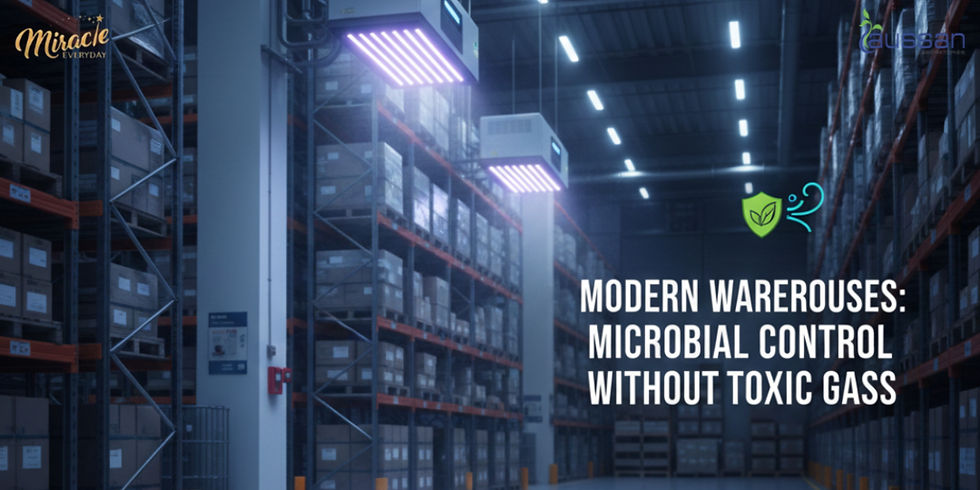
L44-FG (Fumigation Ultimate) is a botanical fumigation solution developed to reduce airborne and surface microbial contamination in storage environments.
Its plant-derived formulation supports:
Up to 99.999% reduction of air contamination
Safer fumigation practices without toxic gas exposure
Preventive hygiene in warehouses, cold storages, and packhouses
Regular fumigation cycles without severe operational disruption
By focusing on microbial control rather than chemical toxicity, botanical fumigation provides a more sustainable hygiene strategy.
A Shift Toward Safer Storage Hygiene
As food safety standards and worker protection regulations continue to evolve, storage facilities are rethinking traditional fumigation practices.
Safer fumigation technologies allow facilities to maintain microbial control without compromising operational safety or environmental responsibility.
Botanical fumigation represents a step toward a more balanced approach to storage hygiene
Conclusion
Gas-based fumigation systems played an important role in traditional storage management, but their safety and operational limitations are becoming increasingly evident.
Botanical fumigation offers a safer alternative by reducing airborne microbial load through plant-derived compounds rather than toxic gases.
With solutions like L44-FG, facilities can maintain effective fumigation while supporting worker safety, product integrity, and modern hygiene standards.
In today’s storage environments, the future of fumigation is not only about effectiveness — it is about safety and sustainability.



Comments