How Hygiene Practices Influence Milk Quality and Shelf Life


Introduction
Milk is one of the most nutritious and widely consumed foods in the world. However, it is also highly susceptible to contamination if proper hygiene standards are not maintained throughout the production process. From the milking environment and equipment to storage and transportation, every stage plays a critical role in determining milk quality and shelf life.
As consumer expectations for safe, high-quality dairy products continue to rise, dairy farmers and processors are increasingly recognizing that hygiene is not simply a compliance requirement—it is a key factor in maintaining milk quality, reducing losses, and improving profitability.
Common Sources of Dairy Contamination
Milk can be exposed to contamination from various sources if sanitation practices are inadequate.
Milking Equipment
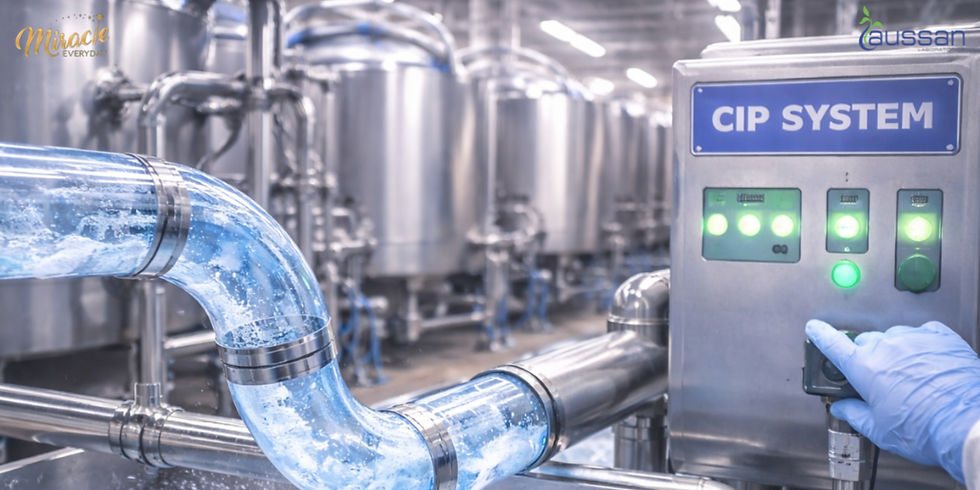
Improperly cleaned pipelines, milking machines, storage tanks, and collection equipment can harbor microorganisms that affect milk quality.
Animal Environment
Unsanitary housing conditions may increase exposure to contaminants that can impact both animal health and milk hygiene.
Personnel Hygiene
Poor handling practices during milking and milk collection can introduce unwanted contamination.
Water and Cleaning Systems
Water used for cleaning and sanitation plays a critical role in maintaining dairy hygiene standards.
Without effective hygiene management, contaminants can accumulate within dairy operations, increasing quality risks and operational challenges.
Why Dairy Farms Are Prioritizing Hygiene More Than Ever
Today's dairy industry operates in an environment where quality expectations continue to evolve.
Increasing Consumer Awareness
Consumers are paying closer attention to food safety, product quality, and production practices than ever before.
Stricter Quality Standards
Dairy processors and regulatory authorities increasingly emphasize hygiene and quality assurance throughout milk production systems.
Profitability Pressures
Reducing spoilage-related losses and maintaining product consistency are essential for improving operational efficiency and profitability.
Sustainable Dairy Production
Effective hygiene management supports sustainable farming practices by helping reduce waste and improve overall production efficiency.
How L44-D Supports Dairy Hygiene Management
L44-D Dairy Disinfectant is a plant-based sanitation solution developed to support hygiene management across dairy farming operations.
Formulated using bioflavonoid-rich botanical extracts, L44-D is designed to assist dairy farms in maintaining cleaner production environments while supporting milk quality management programs.
Unlike conventional disinfectants that may impact beneficial lactic acid bacteria, L44-D is designed to support effective hygiene practices while being suitable for modern dairy operations.
Key Benefits of L44-D
✔ Supports dairy equipment hygiene
✔ Assists in maintaining cleaner milking environments
✔ Supports milk quality management programs
✔ Suitable for routine dairy sanitation practices
✔ Plant-based and environmentally responsible formulation
✔ Supports sustainable dairy farming initiatives
By helping maintain hygienic conditions throughout dairy operations, L44-D contributes to improved farm management and quality-focused production practices.
Conclusion
Milk quality and shelf life are influenced by much more than genetics, nutrition, or processing technologies. The foundation of quality begins with effective hygiene management throughout the dairy production environment.
From milking equipment and animal housing to sanitation protocols and environmental cleanliness, every aspect of hygiene contributes to maintaining milk quality and supporting operational efficiency.
Solutions such as L44-D Dairy Disinfectant help dairy farms strengthen their hygiene programs, support quality management efforts, and contribute to more sustainable dairy production systems.


Comments